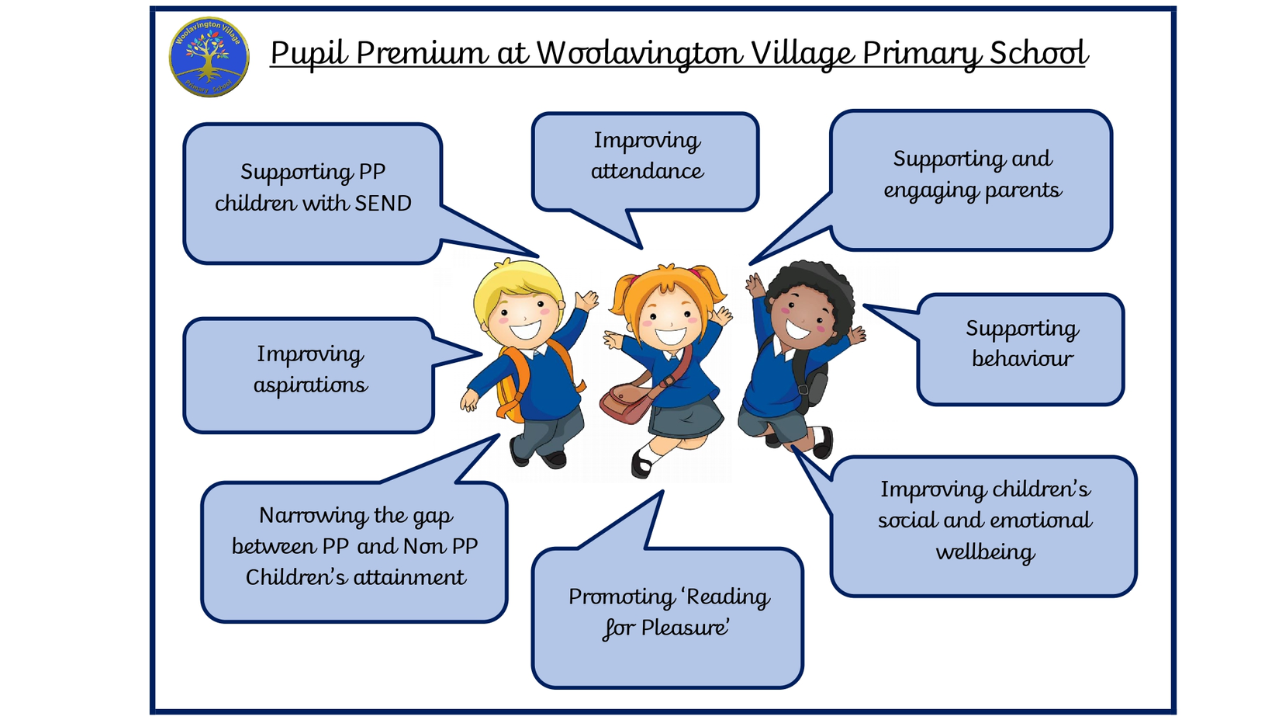
The pupil premium is a government-funded programme available to all state-funded schools in England, including every academy within Northern Education Trust. The funding provides additional financial support for pupils who meet specific criteria, helping schools reduce educational inequality and improve outcomes for children from lower-income families.
This funding is allocated directly to schools to support eligible pupils’ learning, wellbeing and development, ensuring they have access to the same opportunities as their peers.
Who is eligible for pupil premium funding?
A child may qualify for pupil premium if their parent or carer receives certain benefits. Eligibility is often linked to free school meal registration, although this is separate from universal free meals provided in early years and Key Stage 1.
Families may qualify if they receive any of the following:
- Income Support
- Income-based Jobseeker’s Allowance
- Income-related Employment and Support Allowance
- Support under Part VI of the Immigration and Asylum Act 1999
- Pension Credit
- Child Tax Credit
- Working Tax Credit run-on
- Universal Credit
- Free School Meals
Registering for free school meals is important, even if your child does not take a school meal, as it enables the academy to receive additional funding that directly supports your child’s education.
Children with no recourse to public funds (NRPF)
Families who do not have access to most public benefits may still be eligible for free school meals under NRPF arrangements. Parents and carers are encouraged to contact their academy or local authority for guidance if this may apply to them.
How much funding do schools receive?
For the 2024–25 academic year, pupil premium funding is allocated as follows:
- £1,480 for each eligible pupil in primary schools
- £1,050 for each eligible pupil in secondary schools
Additional funding of £2,570 per pupil is provided for children who are, or have previously been, in local authority care, including those adopted or supported under special guardianship or child arrangement orders.
How is the pupil premium used?
Schools have the flexibility to decide how best to use pupil premium funding based on the needs of their pupils. The funding must be used to enhance the learning experience of eligible students.
At Northern Education Trust academies, pupil premium funding commonly supports:
- One-to-one or small group intervention in lessons
- Additional teaching assistants
- Catch-up and targeted support sessions
- Breakfast provision to improve attendance
- Extra tuition
- Music and enrichment opportunities for families facing financial barriers
- Support with the cost of educational visits
- Investment in learning resources such as laptops or tablets
While the funding is targeted, the wider school community often benefits from the improvements it helps to fund. Research shows pupil premium spending can significantly reduce attainment gaps, particularly in English and maths.
How schools are monitored
Schools are held accountable for how pupil premium funding is used. Ofsted inspections focus closely on the progress and attainment of disadvantaged pupils and assess how effectively schools support those eligible for the grant.
Will my child be identified?
No. Children are not identified or labelled in school as receiving free school meals or pupil premium funding. The process is confidential, and pupils are not informed of their status.
How to apply
Parents and carers should apply via their child’s academy website by completing the free school meals application form. Registration only needs to be completed once, and the funding remains in place for the duration of your child’s time at the academy.
Families are encouraged to apply as soon as possible, ideally by 19 September 2024. If you need assistance with the application process, academy staff are available to help.